
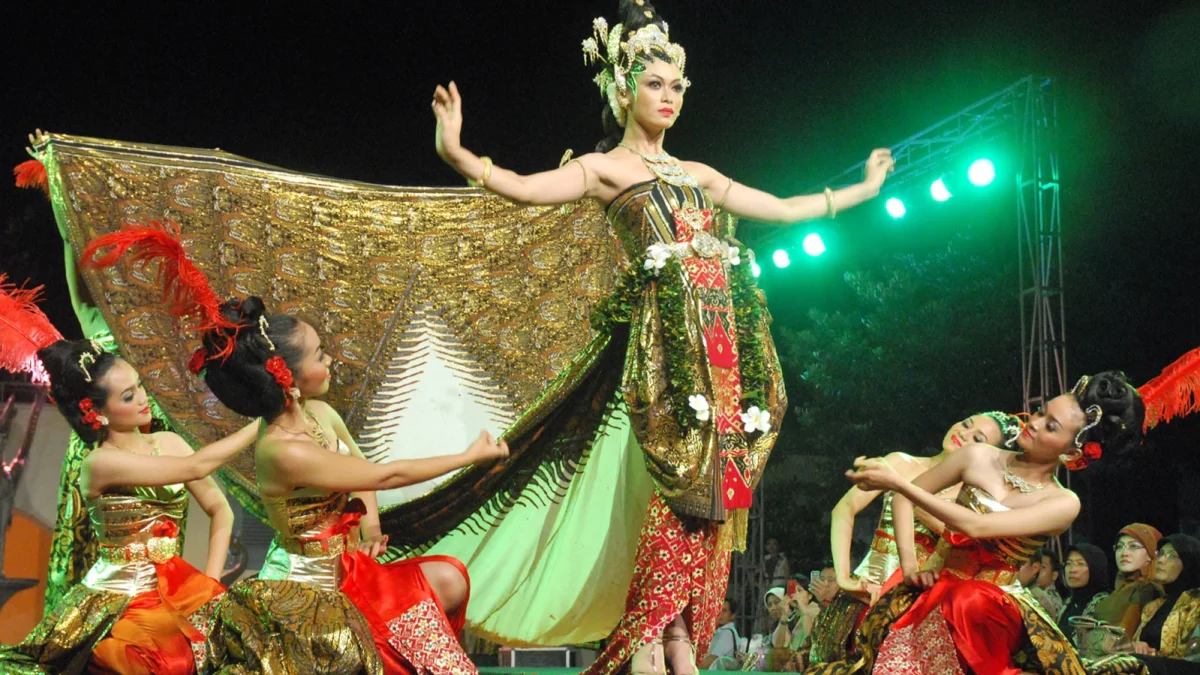
To understand Yogyakarta is to understand Java itself — and to understand Java, one must first appreciate the quiet grace of its people. The Javanese, who make up the largest ethnic group in Indonesia, have developed over centuries a culture defined by harmony, subtlety, and deep philosophical meaning. Nowhere is this more vividly expressed than in Yogyakarta, a city where Javanese identity remains a living, breathing tradition.
The Essence of Javanese Philosophy
At the core of Javanese culture lies a profound worldview built upon three guiding principles: harmony (rukun), respect (hormat), and inner balance (tata krama). These principles shape every interaction, ritual, and creative expression in daily life.
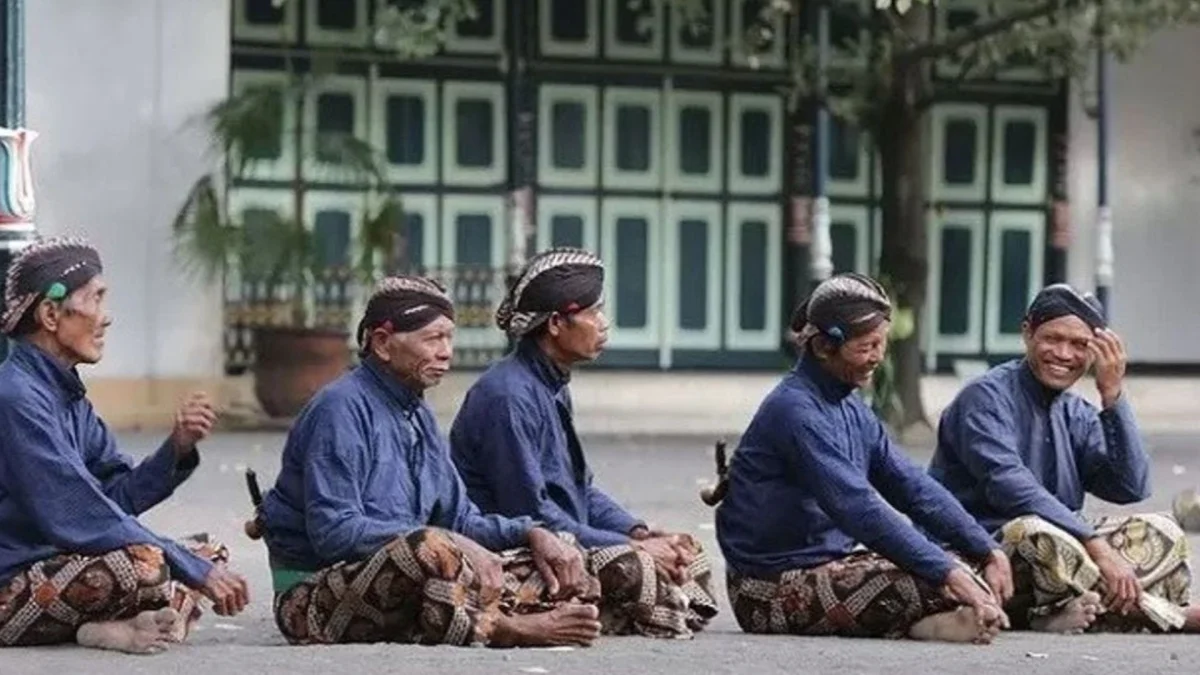
Rukun represents the ideal of peaceful coexistence — maintaining unity within family, community, and nature. In Yogyakarta, this manifests through the gentle way people speak, their patience in conversation, and their preference for consensus over confrontation. Hormat is respect, not only toward elders or authority but also toward life itself — the unseen forces believed to sustain the universe. Tata krama, or proper behaviour, guides social interaction through politeness, humility, and self-control.
Together, these values reflect the Javanese pursuit of harmony between the physical, spiritual, and social worlds. For visitors, this calm dignity is one of Yogyakarta’s most distinctive charms.
The Royal Influence of the Kraton
Much of Yogyakarta’s cultural depth stems from the influence of its royal court — the Kraton Ngayogyakarta Hadiningrat. Founded in 1755, the Kraton remains both a political and spiritual centre, preserving rituals and etiquette that define Javanese civilisation.
Within its ornate pavilions, daily life follows a rhythm that has changed little for centuries. Courtiers move with deliberate grace, their gestures reflecting discipline and devotion. Traditional gamelan music resonates softly through the courtyards, its cyclical melodies symbolising the continuity of life.
Every ceremony — from royal weddings to sacred offerings — embodies layers of meaning. Movements, colours, and even spatial arrangements within the palace grounds are guided by ancient cosmology. The Kraton is more than a palace; it is a living philosophy, a microcosm of the universe ordered by balance and beauty.
The Art of Expression
Art in Yogyakarta is not merely decorative — it is an extension of spiritual and moral reflection. The city’s artisans and performers translate Javanese values into tangible forms, creating a language that transcends words.
Batik: Philosophy in Patterns
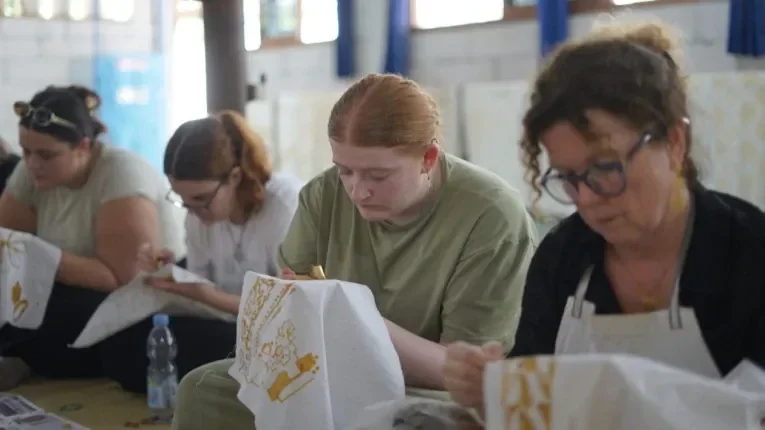
Perhaps the most famous of these expressions is batik, the intricate wax-resist textile art recognised by UNESCO as an Intangible Cultural Heritage. Each motif tells a story: Parang Rusak symbolises perseverance, Kawung represents purity and self-control, while Sido Mukti conveys hope for prosperity and happiness.
In Yogyakarta, traditional batik is still drawn by hand — a meditative process demanding patience and precision. For locals, batik is more than fabric; it is identity woven with philosophy, worn during ceremonies and milestones as a reflection of life’s journey.
Wayang Kulit: Shadows of Wisdom
Another cornerstone of Javanese art is wayang kulit, the shadow puppet theatre that brings to life tales from the Ramayana and Mahabharata epics. Accompanied by the hypnotic tones of the gamelan, the dalang (puppet master) narrates moral lessons about destiny, virtue, and humility.
In Yogyakarta, wayang performances are often held during cultural festivals or spiritual occasions. The audience does not simply watch a show — they witness philosophy unfolding in light and shadow, good and evil, chaos and order.
Gamelan: The Sound of Harmony
No discussion of Javanese art is complete without the gamelan. This ensemble of metallophones, drums, and gongs creates a sound that is both ethereal and disciplined. Its cyclical rhythms mirror the Javanese understanding of time — not linear, but eternal, flowing in cycles of birth, decay, and renewal.
To play gamelan requires sensitivity and cooperation; no instrument dominates. It is a perfect metaphor for rukun — the harmony that governs all things in Javanese life.
Rituals and Daily Life
Javanese spirituality flows quietly through the routines of Yogyakarta’s people. It is not confined to temples or special days but expressed in simple acts of mindfulness and gratitude.
Morning offerings of flowers or incense may be placed before family shrines, asking for protection and balance. During harvest season, farmers hold selamatan — communal feasts to thank the spirits of the land. These gatherings reinforce social bonds and honour the unseen world believed to coexist with the human realm.
Even the language reflects this reverence. The Javanese language has multiple levels of politeness, from casual ngoko to refined krama inggil. Choosing words carefully is a way of showing respect — a linguistic reflection of harmony and empathy.
The Modern Evolution of Tradition
Yogyakarta’s unique achievement is not only preserving tradition but evolving it gracefully into modern contexts. The younger generation — artists, designers, musicians, and digital creators — reinterpret ancient symbols through contemporary forms.
Modern batik designers play with colour and pattern while keeping philosophical depth intact. Theatres stage experimental versions of wayang using light projections and modern storytelling, bringing ancient myths to global audiences. Street murals across Prawirotaman and Kotabaru reimagine Javanese folklore through bold, modern imagery.
This synthesis of old and new ensures that Javanese culture remains relevant. It continues to inspire not only locals but also international visitors who seek authenticity and depth in an increasingly fast-paced world.
Cultural Etiquette for Visitors
For those visiting Yogyakarta, understanding a few aspects of Javanese etiquette can greatly enrich the experience. A gentle smile, soft tone, and patience in conversation go a long way. When entering homes or sacred spaces, removing shoes is customary. Accepting or offering items with the right hand shows respect.
While these gestures may seem small, they reflect the essence of tata krama — mindfulness in every interaction. Visitors who engage with locals in this spirit often find themselves welcomed as friends rather than tourists.
The Spiritual Dimension
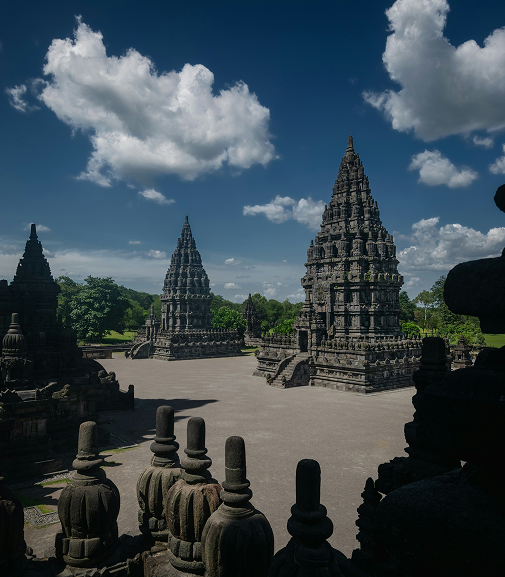
Beneath its artistic and social forms, Javanese culture is deeply spiritual. The philosophy of Kejawen — a blend of animism, Hindu-Buddhist ideas, and Islamic mysticism — shapes many local beliefs. It teaches balance between the seen and unseen, the self and the cosmos.
Mount Merapi, which looms over Yogyakarta, is revered as a sacred guardian. Ritual offerings known as labuhan are performed annually to honour its spirit and seek harmony between humans and nature. These traditions remind people that life is interconnected — a conversation between earth, sky, and soul.
Final Thoughts
To walk through Yogyakarta is to enter a world where philosophy is not confined to books or temples but lived through gestures, crafts, and community. Every batik pattern, every melody, every polite greeting reflects a centuries-old wisdom that continues to guide the Javanese way of life.
For travellers seeking not just sights but understanding, Yogyakarta offers a rare gift — a glimpse into a culture that values harmony above all else. It teaches that strength lies in gentleness, beauty in simplicity, and peace in balance.
In the quiet rhythm of its streets and the timeless grace of its people, Yogyakarta reveals the true heart of Java — patient, profound, and enduring.
Join the Conversation
0 thoughtful comments from our community
Leave a Comment
Share your experience or ask questions
No comments yet
Be the first to share your thoughts!