
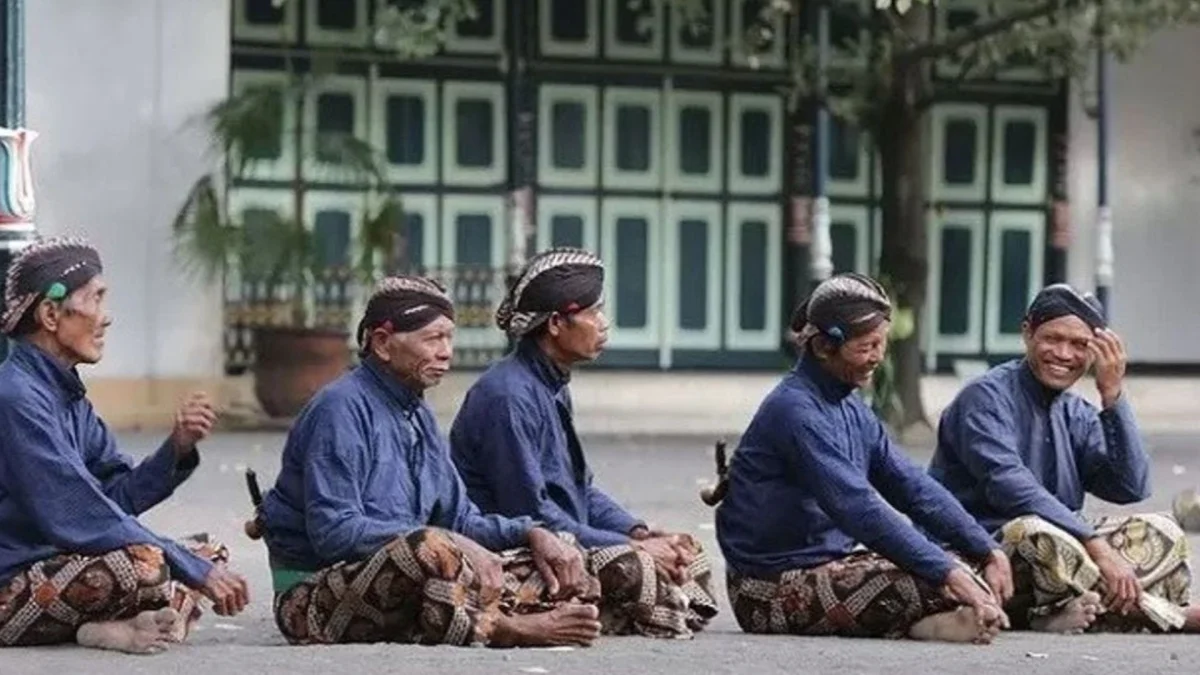
Yogyakarta is not only a destination for travellers but also an experience — a place to feel, to learn, and to connect. It offers an authentic glimpse into Indonesia’s soul, a rare balance between ancient wisdom and youthful energy that few places in the world can replicate.
A Living Heritage
At the centre of Yogyakarta stands the Kraton, the Sultan’s Palace, which remains the royal residence and cultural heart of the city. Built in the 18th century, the palace is a masterpiece of Javanese architecture — its layout, open pavilions, and symbolic ornaments reflect deep spiritual concepts of balance and order. But the Kraton is not a museum frozen in time; it is a living institution. Every morning, the royal court’s activities continue much as they did centuries ago. Visitors may encounter musicians playing traditional gamelan, dancers rehearsing classical performances, or craftsmen preparing ceremonial artefacts.
The Kraton also serves as a bridge between the royal family and the people. Cultural performances are held regularly in its courtyards — from wayang kulit (shadow puppetry) to bedhaya court dances — offering travellers a chance to witness centuries-old traditions that still breathe life today.
Outside the palace walls, Yogyakarta’s artistic heartbeat continues. The city is dotted with communities dedicated to preserving traditional crafts. The village of Kasongan is famous for its pottery, where artisans mould clay into elegant vases, lamps, and sculptures using methods passed down through generations. In Kotagede, the former capital of the Mataram Kingdom, silver craftsmen produce intricate jewellery and tableware, combining historical motifs with modern designs. Meanwhile, Batik — the city’s most iconic art form — remains a symbol of Yogyakarta’s identity. Recognised by UNESCO as an Intangible Cultural Heritage, batik is more than decorative fabric; it is a language of symbols, each motif carrying philosophical meaning about life, love, and spirituality.
A City of Learning and Creativity
One reason Yogyakarta remains dynamic and progressive is its reputation as Indonesia’s city of education. Home to several leading universities, including Gadjah Mada University, the city attracts thousands of students from across the archipelago and abroad. This young population infuses Yogyakarta with creativity, innovation, and modern sensibilities — qualities that coexist beautifully with its deep-rooted traditions.
In the neighbourhoods around Prawirotaman and Tirtodipuran, modern cafés, art galleries, and design studios line the streets. Here, travellers can sip local coffee while surrounded by murals and installations that reinterpret Javanese philosophy in contemporary forms. This blend of academic energy, artistic passion, and cultural heritage has earned Yogyakarta recognition as a UNESCO Creative City.
From graffiti art inspired by ancient mythology to digital design collectives exploring sustainable tourism, Yogyakarta has become a hub where tradition meets innovation. The city’s artists don’t simply imitate their heritage — they reinvent it, ensuring that Yogyakarta’s culture remains alive, relevant, and inspiring for generations to come.
Festivals and Rituals: The Spirit of the People
Yogyakarta’s cultural vitality is best experienced during its festivals. Throughout the year, the city celebrates events that reflect its rich spiritual and social life. Among the most important is Sekaten, a week-long celebration commemorating the birth of the Prophet Muhammad. It combines Islamic devotion with Javanese customs — gamelan performances echo through the palace grounds, markets burst with colour and flavour, and the entire city seems to join in a spirit of gratitude and joy.
Another major event is Grebeg Maulud, during which enormous offerings of food and crops, called gunungan, are paraded from the Kraton to the city’s main mosque. After prayers, these offerings are shared among the public, symbolising prosperity and unity.
For visitors, attending these festivals offers a deep understanding of Yogyakarta’s character. They reveal a society that, while embracing modernity, remains firmly anchored in communal values, spirituality, and respect for nature.
Even outside festival seasons, local customs shape daily life. Javanese people are known for their politeness and calm demeanour, guided by the principle of tepa selira — empathy and respect for others. This attitude creates the warm, welcoming atmosphere that visitors often describe as uniquely Yogyakartan.
The Flavours of Tradition
Culture in Yogyakarta extends beyond art and ritual — it also lives in its cuisine. The city’s most famous dish, Gudeg, is a sweet jackfruit stew slow-cooked with coconut milk and spices, often served with rice, chicken, and eggs. Its taste is distinctively mild yet rich, reflecting the Javanese preference for balance and harmony in flavours.
Along the lively Malioboro Street, food stalls serve traditional snacks such as satay, lumpia, and bakpia, a pastry filled with sweet mung bean paste. Meanwhile, modern restaurants reinterpret local dishes with international flair, proving that Yogyakarta’s culinary scene is as creative as its art.
Eating in Yogyakarta is more than satisfying hunger — it’s a cultural experience that brings people together. Whether at a humble warung or a fine dining restaurant, every meal carries a story of heritage and hospitality.
Beyond the City: Sacred Landscapes
While Yogyakarta’s city centre is alive with culture, its surroundings hold spiritual treasures of global significance. To the northwest stands Borobudur, the world’s largest Buddhist temple. Built in the 9th century, its massive stone terraces depict the journey to enlightenment through thousands of intricate carvings. Watching the sunrise over Borobudur is a transcendent experience that connects visitors to both nature and ancient philosophy.
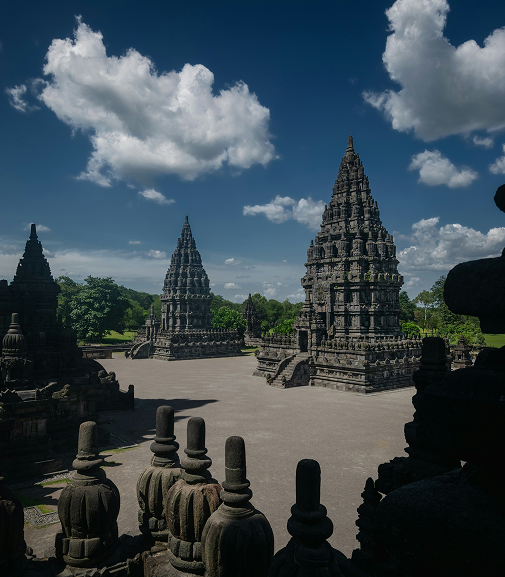
To the east lies Prambanan, a majestic Hindu temple complex dedicated to the Trimurti — Brahma, Vishnu, and Shiva. Its towering spires and detailed bas-reliefs tell stories from the Ramayana, which comes alive during open-air ballet performances held under the night sky.
These temples, along with the royal heritage of the Kraton, make Yogyakarta one of Southeast Asia’s most spiritually and artistically significant destinations.
The Harmony of Old and New
What sets Yogyakarta apart is its seamless harmony between past and present. Modern developments coexist with sacred traditions, and ancient wisdom guides new generations in navigating contemporary life. The people of Yogyakarta have mastered the art of adaptation without losing identity — a quality that makes the city timeless.
Digital nomads work from cafés near ancient temples. Traditional markets operate beside eco-friendly boutiques. Street musicians play gamelan next to students performing indie music. This coexistence is not contradiction; it is the city’s essence — an evolving dialogue between continuity and change.
Final Thoughts
To call Yogyakarta the cultural heart of Java is not an exaggeration — it is an acknowledgment of its enduring influence on Indonesia’s identity. It is a city that invites travellers not just to see, but to feel. Here, every experience — from watching the sunrise at Borobudur to sharing stories with locals in a small café — carries meaning.
Yogyakarta teaches that culture is not something to be preserved in glass cases but to be lived, shared, and evolved. It is a place where art is a daily language, spirituality is woven into everyday life, and hospitality is second nature.
For those seeking to understand Indonesia beyond its beaches and skyscrapers, Yogyakarta offers the truest reflection of the nation’s heart — humble, wise, creative, and eternally welcoming.
Other Choice (Below)
Why Yogyakarta is the Cultural Heart of Java
Yogyakarta, affectionately known as Jogja, is not merely a city — it is the living soul of Java. While Indonesia is celebrated for its dazzling diversity, no place captures the island’s spirit quite like Yogyakarta does. It is where history and creativity intertwine, where the pulse of tradition beats alongside a rhythm of youthful innovation. From its royal heritage to its modern artistry, Yogyakarta remains the beating cultural heart of Java — timeless, poetic, and ever-evolving.
A City Where Tradition Never Sleeps
In most parts of the world, royal palaces have long turned into museums. In Yogyakarta, the Kraton still breathes as a living institution. This royal complex, home to the Sultan and his family, is not merely a relic of the past — it continues to shape the identity and customs of the city today. Inside its serene courtyards, visitors can observe Javanese court dances, traditional gamelan performances, and daily rituals that date back centuries.
The Kraton stands as a reminder that culture here is not an exhibit — it is life itself. Every gesture, every melody, every batik motif carries meaning. The Sultanate’s influence extends beyond its walls, nurturing the preservation of Javanese philosophy, language, and etiquette. It is this deep respect for legacy that gives Yogyakarta its soul.
The Enduring Art of Craftsmanship
Step outside the palace grounds and the city reveals its artisan heart. The neighbourhoods of Kotagede, Kasongan, and Tirtodipuran are living museums of craftsmanship. In Kotagede, the scent of molten silver fills the air as artisans hammer delicate filigree jewellery and traditional ornaments — techniques handed down through generations.
Kasongan, on the other hand, is a clay village. Here, families shape pottery by hand, their work reflecting both function and artistry. Each piece tells a story of patience and precision, qualities embedded in Javanese culture.
Then there is batik, Yogyakarta’s most iconic art form. Recognised by UNESCO as an Intangible Cultural Heritage, batik embodies the philosophy and spirituality of the Javanese people. The intricate patterns — from parang to kawung — are not just decorative but symbolic, representing life balance, power, and harmony. Watching a craftsman dip the canting tool into hot wax is to witness meditation in motion.
The Modern Face of Yogyakarta
Yet Yogyakarta is not trapped in the past. Its greatest strength lies in how it harmonises tradition with modernity. Known as Indonesia’s “student city,” it attracts young minds from across the archipelago and the world. This youthful energy fuels the city’s ever-growing creative industry — from visual art and fashion to digital design and indie music.
Street art flourishes across the walls of Prawirotaman and Sosrowijayan, turning narrow lanes into open-air galleries. Independent cafes host poetry readings and acoustic sessions, while art spaces like Taman Budaya and Cemeti Art House promote experimental works that blend local culture with global perspectives.
In 2014, Yogyakarta was officially designated a UNESCO Creative City of Crafts and Folk Art, acknowledging its innovation and sustainability in cultural development. It is this dual identity — rooted in tradition, yet open to the future — that makes Yogyakarta so captivating.
Festivals, Rituals, and the Rhythm of Life
Yogyakarta’s heartbeat is its festivals — timeless traditions that connect the royal court, religion, and community. The Sekaten Festival, for example, marks the Prophet Muhammad’s birthday and is one of the city’s oldest celebrations. It combines Islamic faith with Javanese customs through music, offerings, and a grand market in the Alun-Alun square.
Another highlight is Grebeg Maulud, when the Sultan’s palace sends out towering offerings of food and produce — known as gunungan — to be shared with the public. This act symbolises harmony between ruler and people, heaven and earth.
But Yogyakarta’s magic lies not only in major events. Even everyday life feels ceremonial. The sound of gamelan echoes softly from family compounds. The aroma of gudeg — a sweet jackfruit stew simmered for hours — fills the air near Malioboro Street. Late at night, young locals gather for angkringan, a simple roadside meal of rice, satay, and tea, sharing stories under dim lamps.
These small rituals capture the true essence of Yogyakarta: modest, communal, and full of warmth.
A Gateway to Spiritual and Historical Wonders
Beyond the city limits, Yogyakarta opens the door to some of Indonesia’s most magnificent landmarks. The Borobudur Temple, about an hour’s drive northwest, stands as the world’s largest Buddhist monument — a ninth-century masterpiece built from two million stone blocks. Each relief panel tells the story of enlightenment, guiding visitors upward through nine levels of spiritual journey until they reach the great stupa that crowns the temple.
To the east lies Prambanan, a majestic Hindu temple complex dedicated to the Trimurti — Brahma, Vishnu, and Shiva. Its towering spires, intricate carvings, and ancient legends reflect the harmony that once existed between faiths in Java.
Both Borobudur and Prambanan are UNESCO World Heritage Sites, representing the grandeur of ancient Javanese civilisation. Visiting them alongside the Kraton completes a trilogy of cultural discovery — the spiritual, the royal, and the communal heart of Yogyakarta.
Living with Nature and Volcanoes
The landscape around Yogyakarta is just as rich as its culture. Towering to the north is Mount Merapi, one of the most active volcanoes in the world. Yet rather than fearing it, locals respect Merapi as a guardian spirit — a powerful force that both nourishes and tests their resilience.
Villages on its slopes tell stories of survival, faith, and coexistence with nature. Jeep tours through Merapi’s lava trails have become a popular adventure, but the experience is more than just sightseeing. It offers insight into how Javanese philosophy accepts the impermanence of life — a balance between creation and destruction.
The Warmth of Jogja’s People
What truly makes Yogyakarta unforgettable, however, is its people. Despite its royal background, the city is grounded in humility and friendliness. Locals greet strangers with a smile, always ready to offer help or share a story. The Javanese principle of tepa selira — empathy and respect for others — defines social interactions here.
Visitors often say they arrive as tourists but leave feeling like friends. Whether it’s chatting with a batik artisan, sharing coffee with students, or being guided through ancient temples, one quickly feels that connection — genuine and human.
Final Thoughts
To experience Yogyakarta is to explore the essence of Java itself. It is where heritage is not frozen in time but continually reimagined. The royal palaces, sacred temples, creative streets, and humble kitchens together form a living mosaic of art, philosophy, and hospitality.
In a world where modernisation often erases identity, Yogyakarta stands proudly as a city that remembers — yet also reinvents. Here, the past and present are not in opposition but in dialogue, shaping a culture that is deeply rooted and endlessly inspiring.
For travellers seeking authenticity, artistry, and connection, Yogyakarta is not just a destination. It is a revelation — the cultural heart of Java, beating with timeless grace.
Join the Conversation
0 thoughtful comments from our community
Leave a Comment
Share your experience or ask questions
No comments yet
Be the first to share your thoughts!