
Batik is more than fabric; it is the visual poetry of Javanese life. In Yogyakarta, this ancient art form is a living expression of identity, philosophy, and craftsmanship passed down through generations. Each line, curve, and colour tells a story — of faith, balance, and beauty — woven into the soul of Java itself.
The Timeless Craft of Batik
Yogyakarta’s batik tradition dates back centuries, intertwined with the life of the royal court and the cultural evolution of the Javanese people. The term batik comes from the Javanese words amba (to write) and titik (dot), a perfect description of the meticulous process behind its creation.
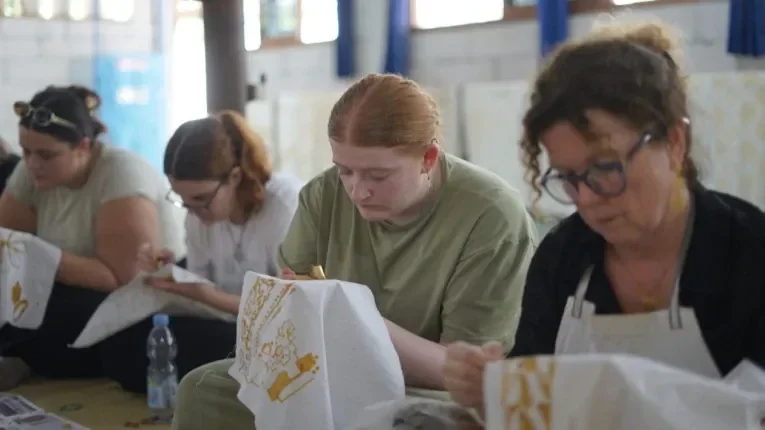
Crafting batik begins with plain cotton or silk cloth, transformed through a series of hand-drawn wax patterns using a tool called canting. The artist applies hot wax in intricate designs before dyeing the fabric. Areas covered in wax resist the dye, allowing artisans to build complex layers of colour and pattern through repeated waxing and dyeing.
The process is patient and meditative. Traditional artisans, often working from small home studios in areas such as Kotagede or Giriloyo, spend days or even weeks on a single piece. Their focus and precision echo Javanese values of mindfulness, harmony, and respect for process — ideals that form the essence of batik’s beauty.
The Philosophy Behind the Patterns
In Javanese tradition, batik is not merely decoration; it is a language of symbols. Each motif carries meaning, reflecting cosmic balance, moral values, and social identity.
One of the most revered patterns is Parang Rusak, symbolising resilience and continuous effort. Historically, it was reserved for royal use, embodying leadership and strength. Another popular design, Kawung, features intersecting circles inspired by the fruit of the aren palm, representing purity and self-control. Truntum, often worn by parents during their children’s wedding ceremonies, signifies love that grows and guides.
The philosophical depth of these motifs reflects the Javanese worldview known as kebatinan — an inner path that seeks harmony between the human, the natural, and the divine. Every stroke of wax is thus an act of contemplation, a dialogue between artisan and spirit.
Royal Influence and Everyday Expression
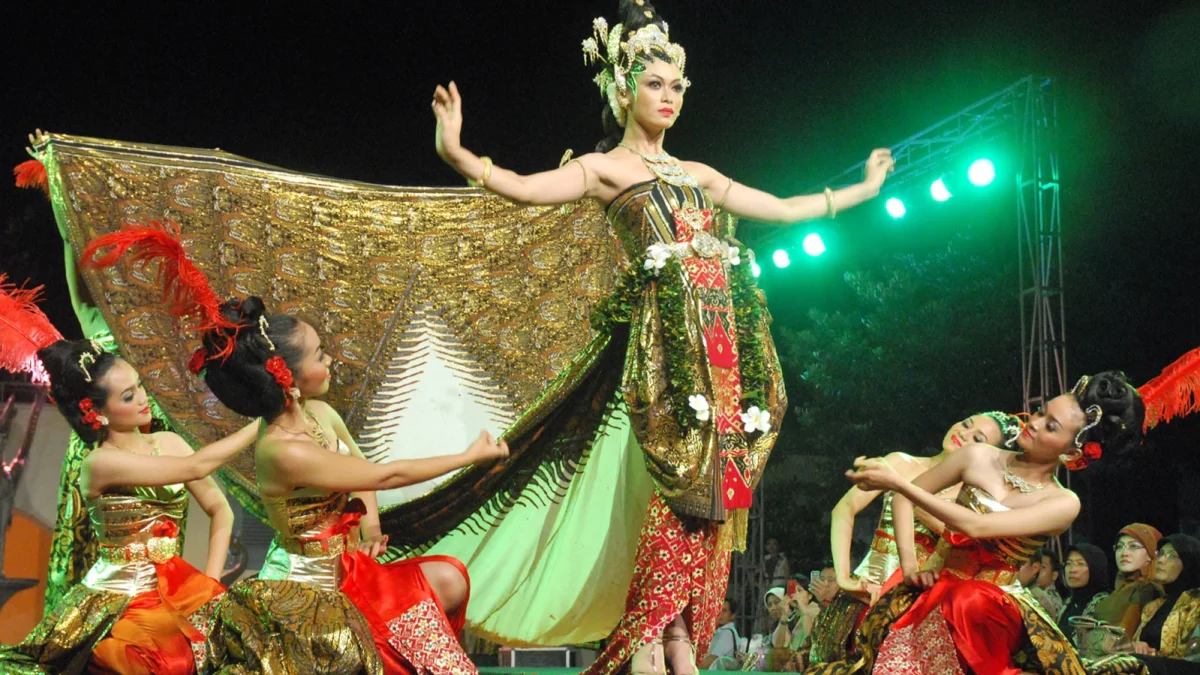
The royal palace of Yogyakarta, or Kraton, has long been the guardian of batik tradition. The court’s influence shaped not only the motifs but also the etiquette surrounding batik use. Certain designs were once reserved for the royal family and nobility, while others marked specific ceremonies such as births, marriages, and coronations.
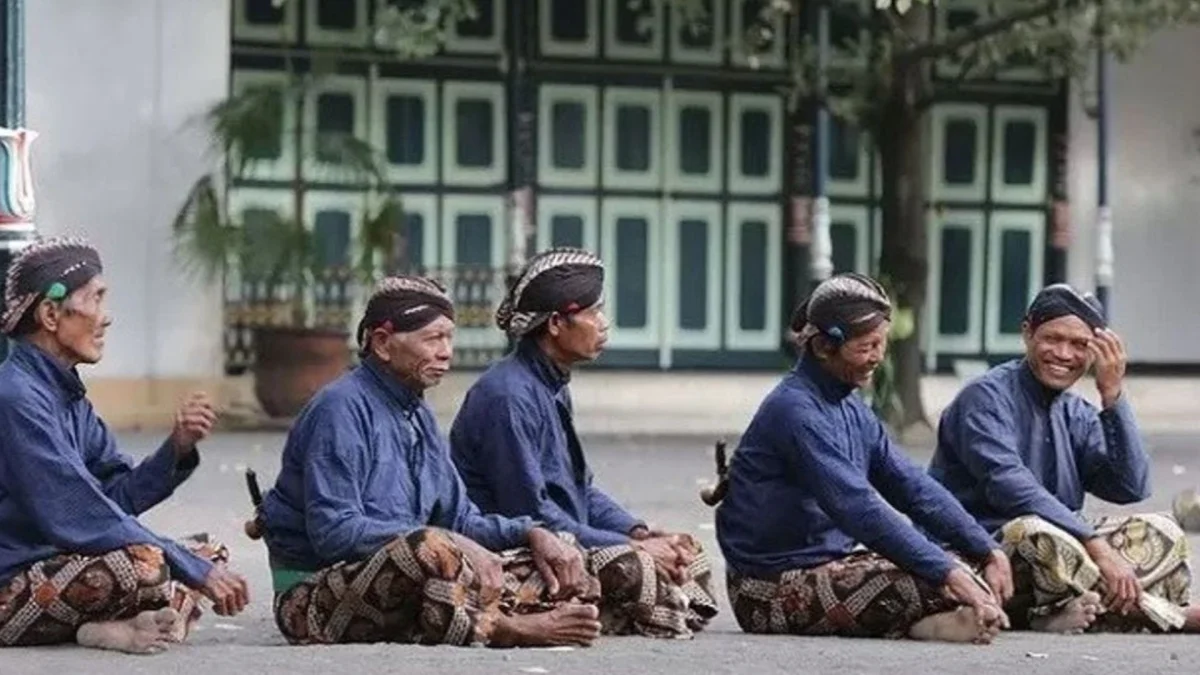
Yet, outside the palace walls, batik also became a fabric of everyday life. Farmers wore simpler patterns for daily work, merchants chose motifs believed to bring good fortune, and mothers wrapped their children in batik imbued with protective symbols.
This duality — between royal refinement and folk expression — is what makes Yogyakarta’s batik unique. It bridges social layers while preserving shared cultural identity.
The Craft Villages of Yogyakarta
To truly understand batik, one must step into the villages where it is still made by hand. Just south of the city centre, the village of Giriloyo in Bantul Regency is renowned for its traditional hand-drawn batik, known as batik tulis. Visitors can watch artisans in quiet concentration, their hands guiding the canting with steady precision.
Another hub is Imogiri, home to batik cooperatives that sustain local families. Here, visitors can join workshops to experience the meditative process firsthand — drawing, waxing, and dyeing their own cloth under the guidance of skilled masters.
These communities not only preserve an art form but also embody Yogyakarta’s social philosophy of gotong royong, or mutual cooperation. Each piece of batik represents collective dedication, from the wax artisan to the dyer to the pattern designer.
Modern Expressions of a Timeless Art
While tradition remains at the heart of Yogyakarta’s batik, the younger generation has infused it with modern creativity. Contemporary designers experiment with new colours, materials, and forms, transforming batik into fashion, home décor, and even digital art.
Boutiques in areas such as Prawirotaman and Kotabaru showcase this evolution — where classic motifs meet modern silhouettes. Some brands collaborate directly with local artisans, ensuring that innovation sustains, rather than replaces, traditional craftsmanship.
This blend of old and new mirrors Yogyakarta’s broader cultural identity: a city deeply rooted in heritage yet open to modern ideas. Batik, in this sense, remains both a tradition and a living canvas for future generations.
UNESCO Recognition and Global Appreciation
In 2009, UNESCO recognised Indonesian batik as a Masterpiece of the Oral and Intangible Heritage of Humanity — a proud moment for Yogyakarta, which played a central role in preserving the craft. This acknowledgment elevated batik beyond a national symbol; it became a global ambassador of Indonesian culture.
Every year on 2 October, Indonesia celebrates National Batik Day. In Yogyakarta, streets fill with people wearing their finest patterns, from schoolchildren to government officials. The celebration is not just about fashion but about cultural pride — a reminder of how art can unite a nation through shared heritage.
Internationally, Yogyakarta’s batik continues to inspire artists, designers, and collectors. Its philosophical patterns and handmade authenticity have found their way into global exhibitions and design collaborations, carrying with them the timeless spirit of Java.
How to Experience Batik in Yogyakarta
Visitors to Yogyakarta can immerse themselves in the world of batik through a variety of experiences. Workshops offer the opportunity to learn the process from start to finish — an enriching cultural encounter that blends creativity with mindfulness.
Museums such as Museum Batik Yogyakarta and Ullen Sentalu exhibit historical collections, tracing batik’s evolution from royal attire to modern art. In traditional markets like Pasar Beringharjo, travellers can browse an endless array of fabrics, from affordable printed batik to hand-drawn masterpieces.
For an authentic souvenir, purchasing directly from artisans supports the preservation of this heritage. Each piece is unique, bearing the touch and story of the person who made it.
Final Thoughts
Batik in Yogyakarta is more than a craft — it is a reflection of life, belief, and harmony. Its patterns are stories told through wax and dye, connecting generations and embodying the soul of Javanese philosophy.
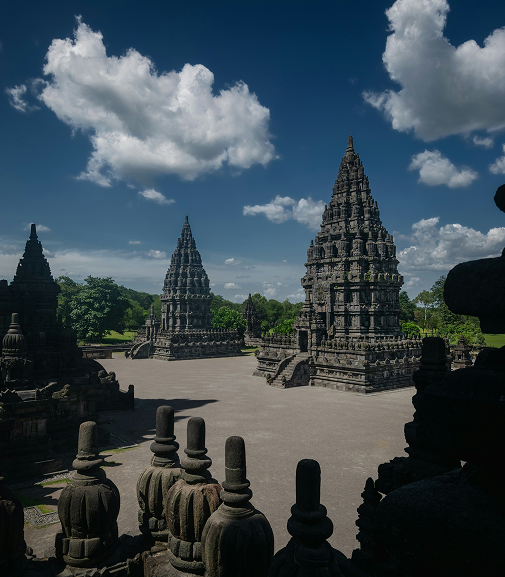
To wear Yogyakarta’s batik is to carry a piece of its history and heart. It is to embrace a timeless art that continues to evolve yet never loses its meaning. For those who seek to understand Java beyond its landscapes and temples, batik offers a deeper connection — to the people, the culture, and the spirit of Yogyakarta itself.

Join the Conversation
0 thoughtful comments from our community
Leave a Comment
Share your experience or ask questions
No comments yet
Be the first to share your thoughts!