
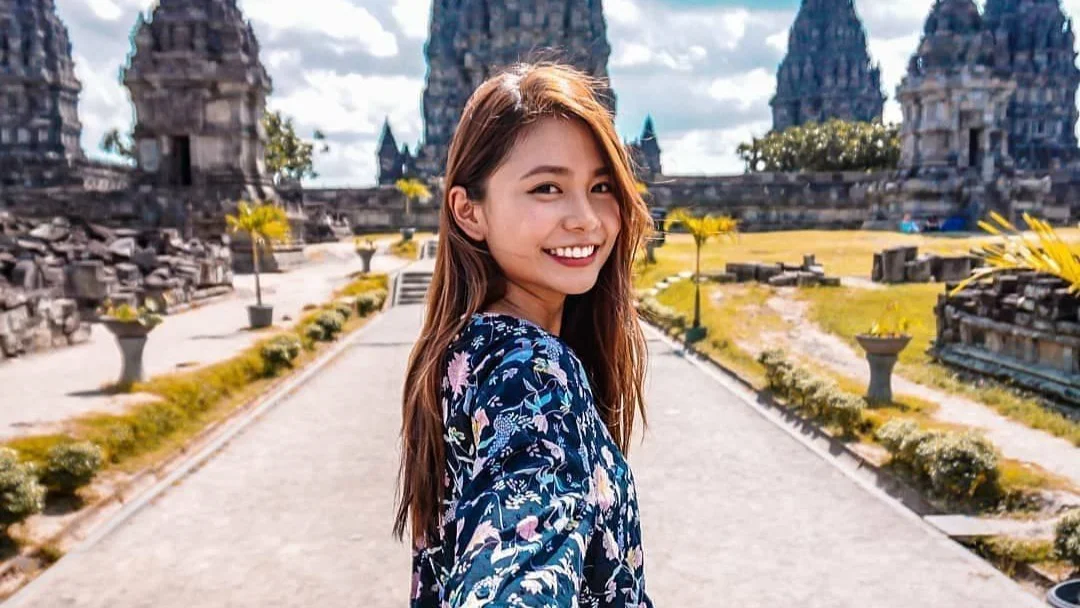
Yogyakarta, often called Jogja by locals, is the cultural soul of Java. Known for its royal heritage, ancient temples, and vibrant street life, this city offers a perfect balance between tradition and modern tourism. For first-time visitors, Yogyakarta is more than just a destination — it is an experience filled with history, art, nature, and hospitality. Whether you are planning a short weekend trip or a deeper cultural journey, this guide will help you explore the best of Yogyakarta with confidence.
1. Why Yogyakarta Should Be on Your Travel List
Unlike bustling Jakarta or the beach resorts of Bali, Yogyakarta presents authentic Indonesian culture in its purest form. The city is home to two UNESCO World Heritage Sites — Borobudur Temple and Prambanan Temple — both representing magnificent ancient civilizations. Beyond the temples, Yogyakarta offers a mix of traditional batik workshops, volcano adventures, and street food experiences that capture the city’s unique charm.
The cost of living and travel in Yogyakarta is also very affordable, making it a great option for both budget travelers and luxury seekers. The warmth of local people and the city’s safe environment add to its appeal for solo and group travelers alike.
2. Getting to Yogyakarta
Yogyakarta International Airport (YIA) serves both domestic and international flights, connecting the city to major hubs such as Jakarta, Singapore, and Kuala Lumpur. The airport is located about 45 kilometers from the city center, and visitors can reach downtown Yogyakarta via airport transfer services, private cars, or shuttle buses.
For a more scenic journey, travelers from Jakarta can take the train to Yogyakarta, which offers beautiful views of rural Java and comfortable seating options.
3. Where to Stay in Yogyakarta
Yogyakarta offers a wide range of accommodations to suit every traveler:
- Luxury Stays: The Phoenix Hotel and Hyatt Regency provide premium comfort with Javanese elegance.
- Mid-Range Options: Boutique hotels in Prawirotaman or Malioboro areas offer excellent service and central locations.
- Budget-Friendly Choices: Homestays and backpacker hostels around Sosrowijayan are popular among international travelers looking for affordable stays and social vibes.
4. Top Attractions You Shouldn’t Miss
Borobudur Temple
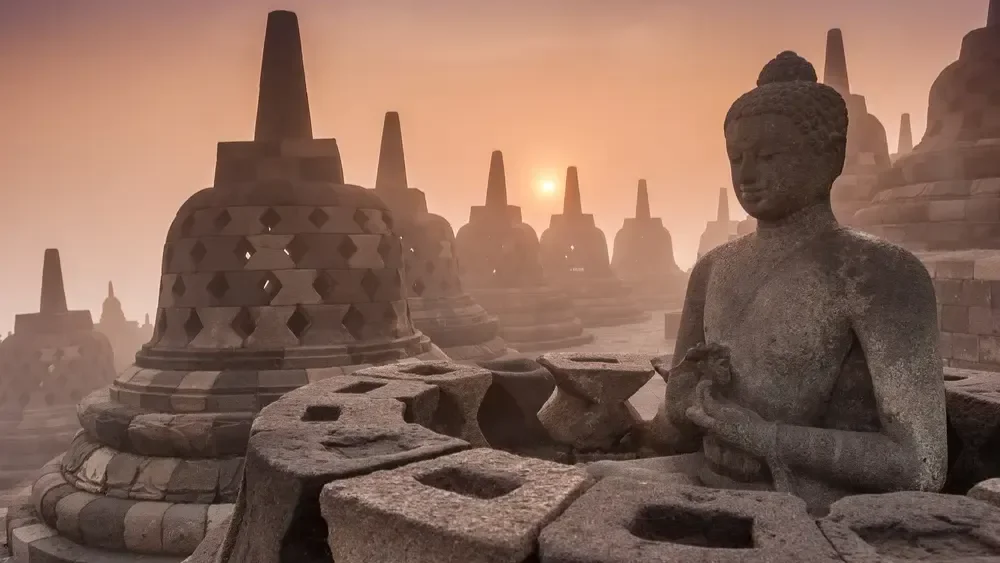
A visit to Yogyakarta would not be complete without exploring Borobudur, the world’s largest Buddhist monument. The best time to visit is at sunrise when the mist rolls over the surrounding mountains, creating a magical atmosphere. Many tour operators offer early morning packages for this unforgettable experience.
Prambanan Temple
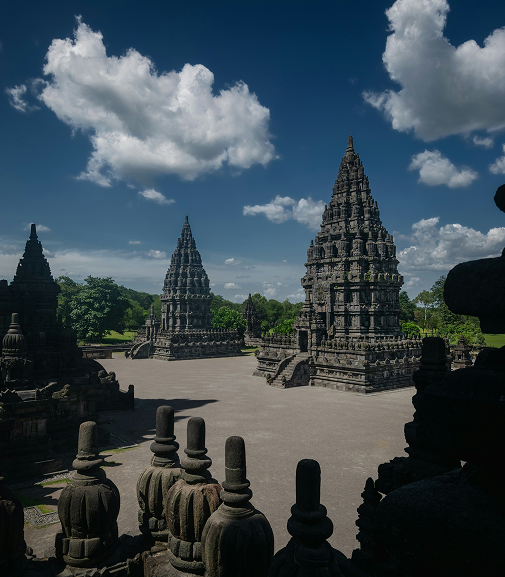
Located on the eastern side of Yogyakarta, Prambanan is a masterpiece of Hindu architecture. The complex consists of tall, pointed temples dedicated to Shiva, Vishnu, and Brahma. The site often hosts the Ramayana Ballet, an open-air cultural performance under the night sky.
Kraton Yogyakarta (The Sultan’s Palace)
The Kraton, or Sultan’s Palace, remains the cultural heart of Yogyakarta. Visitors can walk through royal halls, museums, and courtyards that still host traditional ceremonies. Local guides are available to share historical stories about the Yogyakarta Kingdom.
Taman Sari Water Castle
Once the royal garden of the Sultan, Taman Sari features beautiful architecture, underground tunnels, and bathing pools. It is a favorite spot for photography and historical exploration.
Malioboro Street
The lively Malioboro Street is perfect for evening walks, souvenir shopping, and tasting local snacks such as Gudeg or Bakpia. It represents the energy and spirit of the city.
5. Nature and Adventure Near Yogyakarta
For travelers seeking outdoor experiences, Yogyakarta offers incredible natural attractions just a short drive away.
The Merapi Volcano Jeep Tour takes you through lava trails and offers stunning panoramic views.
Adventure enthusiasts can explore the Jomblang Cave, famous for its “heavenly light” that shines through a vertical sinkhole.
Beach lovers should not miss Parangtritis Beach for sunset or Pok Tunggal Beach for a quiet, scenic escape.
If you are into eco-tourism, Kalibiru and Pindul Cave are perfect for soft adventures such as tubing, hiking, and sightseeing.
6. Experiencing Yogyakarta’s Culture and Food
Culture and cuisine define Yogyakarta’s identity. Try joining a batik-making workshop in Tirtodipuran or Kotagede to learn this centuries-old art form. You can also visit silver craft workshops and traditional markets to see artisans at work.
Food lovers should not miss Gudeg, Yogyakarta’s iconic jackfruit stew, often served with rice, chicken, and eggs. Other must-try dishes include Sate Klathak, Bakmi Jawa, and Wedang Uwuh, a traditional herbal drink. For an immersive experience, join a Yogyakarta food tour that includes street food tasting in local night markets.
7. How to Get Around the City
Transportation in Yogyakarta is convenient and flexible. For independent travelers, scooter rentals and private car services are widely available. You can also book city tours with a driver for a full day of exploration without the hassle of navigation.
Short-distance rides can be booked easily through apps like Grab or Gojek.
For group travelers, minivan or bus charter services provide comfortable transportation to nearby destinations such as Borobudur, Merapi, and Prambanan.
8. Suggested Itineraries for First-Time Visitors
If you only have a few days in Yogyakarta, here’s a simple itinerary to help you get started:
Day 1:
Visit Borobudur Temple at sunrise, explore the surrounding villages, and enjoy local cuisine for lunch. In the afternoon, head to Prambanan Temple and stay for the Ramayana Ballet performance in the evening.
Day 2:
Spend the morning exploring the Kraton, Taman Sari, and traditional markets. Continue to Malioboro for shopping, then enjoy a relaxing sunset at Parangtritis Beach or join a local food tour.
For longer stays, you can add extra days to explore nature spots like Merapi, Jomblang Cave, or the beaches of Gunungkidul.
9. Travel Tips for a Smooth Visit
- Best Time to Visit: The dry season, from May to October, offers pleasant weather and clear skies.
- Local Etiquette: Dress modestly when visiting temples or royal sites.
- Currency: The Indonesian Rupiah (IDR) is the local currency. ATMs and money changers are easily found in the city center.
- Language: Basic English is widely understood in tourist areas, but learning simple Indonesian phrases will enhance your experience.
- Safety: Yogyakarta is generally safe, but always keep your belongings secure, especially in crowded areas.
Conclusion
Yogyakarta is a destination that beautifully connects Indonesia’s ancient past with its vibrant present. Its mix of temples, culture, food, and friendly locals ensures every visitor leaves with unforgettable memories. Whether you come for adventure, relaxation, or cultural discovery, Yogyakarta offers something for every kind of traveler.
For the best experience, choose a licensed local tour operator like VisitNusa, which provides personalized tour packages, reliable transport, and authentic local experiences to make your journey memorable.
Join the Conversation
0 thoughtful comments from our community
Leave a Comment
Share your experience or ask questions
No comments yet
Be the first to share your thoughts!